Best Brokerage for Options Trading in 2026 – My top 5 picks


Our content is for informational purposes only and does not constitute financial, investment, or legal advice. Always consult a qualified professional before making financial decisions.
Options trading has become increasingly popular as online brokerages continue to grow. Investors use it for hedging strategies to protect portfolios and speculative opportunities that can deliver big returns. It offers a higher level of flexibility and leverage than traditional trading.
Together with my research team, I’ve reviewed and analyzed today’s leading brokerages to help you find the best platforms for options trading based on pricing, features, and overall ease of use.
Here are our latest top picks, based on real-time platform data and updates:
Here are the latest picks based on real-time data.
What is options trading?
Options trading involves buying and selling contracts that give investors the right (not obligation) to buy or sell an underlying asset (like a stock) at a specific price within a predetermined timeframe. These contracts are known as “options,” and they can be robust tools for generating profits and managing risk.
There are two main types of options:
- Call options give the holder the right, but not the obligation, to buy an asset
- Put options give the holder the right, but not the obligation, to sell an asset
Investors use options for various reasons. Some of the more common ones include:
- Hedging to protect against downside risk
- Speculation to profit from movements in short-term prices
- Income strategies (like selling covered calls) generate premium income
Options can be very flexible and highly versatile. However, they require a solid understanding of the mechanics and risks involved.
What is the role of brokerage in options trading?
Brokerages play a key role in options trading, acting as the systems through which traders can execute their strategies. These platforms provide real-time market data, enabling investors to make more informed decisions based on market movements and current pricing. A high-quality brokerage offers critical features such as:
- Options chains
- Strategy builders
- Advanced analytics
These tools help traders effectively evaluate potential trades.
Beyond execution, brokerages help manage account security, ensuring client information and funds are thoroughly protected. To achieve this, they utilize robust encryption tools and adhere to regulatory compliance standards. They also have risk management features, like:
- Margin requirements
- Position limits
- Automatic alerts
All of these tools help traders control exposure.
Leading brokerages also tend to provide educational resources, such as tutorials, webinars, and strategy guides, that help users deepen their understanding of complex options strategies. Transparent pricing structures (think covering commissions, contract fees, and exercise costs) are another main hallmark of popular brands, allowing traders to clearly assess costs before entering any positions.
Best 5 brokerages for options trading – our detailed list
Here are five of the top brokerage platforms in 2026 for self-directed, non-premium accounts that trade options on stocks and ETFs. Each stands out for various reasons, whether that’s beginner-friendly design, low commissions, advanced strategy features, or strong research tools.
1. SoFi Invest – best for beginners
| Minimal investment | Options follow contact pricing |
| Options commissions | $0 |
| Best for | Beginners who want access to human advisors |
Why we picked it
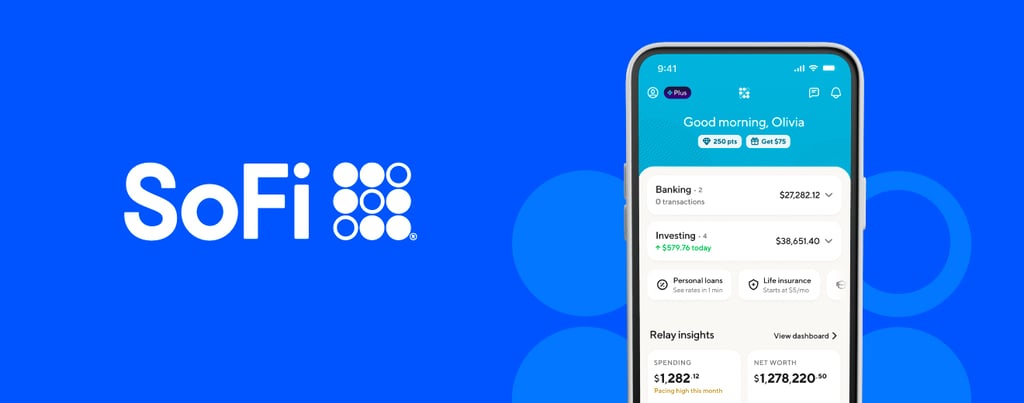
SoFi Invest is a beginner-friendly options trading platform with no commissions, contract fees, or account minimums, virtually removing the high cost barriers new traders face. The platform is designed for ease of use, featuring real-time pricing, simple onboarding, and access to Level 1 and Level 2 strategies (like covered calls, cash-secured puts, and basic long options).
SoFi also provides a strong educational foundation through its Options 101 guide, in-app coaching, and an extensive content hub, helping users learn strategies at their own pace.
2. Robinhood – best for cost-conscious traders
| Minimal investment | Options follow contact pricing |
| Options commissions | $0* |
| Best for | Investors looking to save money |
*Contact fees apply
Why we picked it
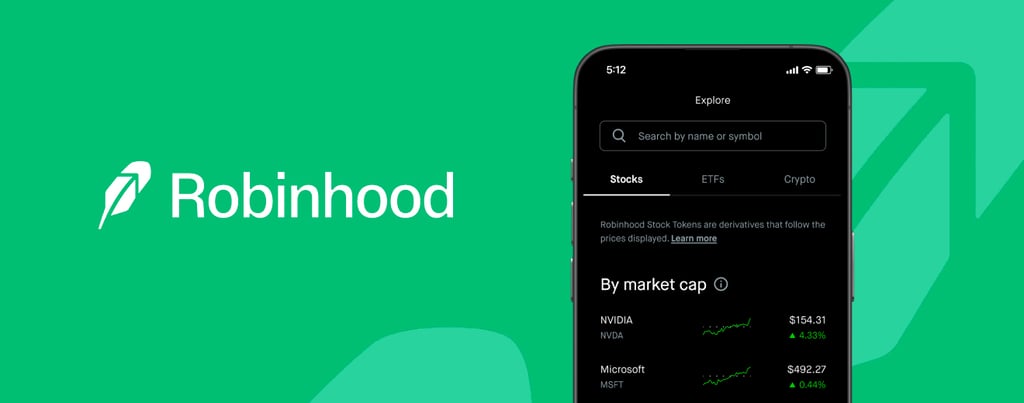
Robinhood helped revolutionize investing by eliminating commissions on trading stocks, ETFs, and options, making it one of the most cost-effective platforms for options traders. Aside from minimal regulatory pass-through fees (like fees of $0.0022 per contract), traders won’t encounter typical brokerage commissions.
The system features a seamless, mobile-first interface, complemented by advanced charts, side-by-side option chains, and a built-in strategy builder. This enables users to execute strategies like spreads, straddles, and strangles with ease.
3. J.P. Morgan – best for more advanced investors
| Minimal investment | Options follow contact pricing |
| Options commissions | $0* |
| Best for | Experienced traders who need less guidance |
*Contact fees apply
Why we picked it
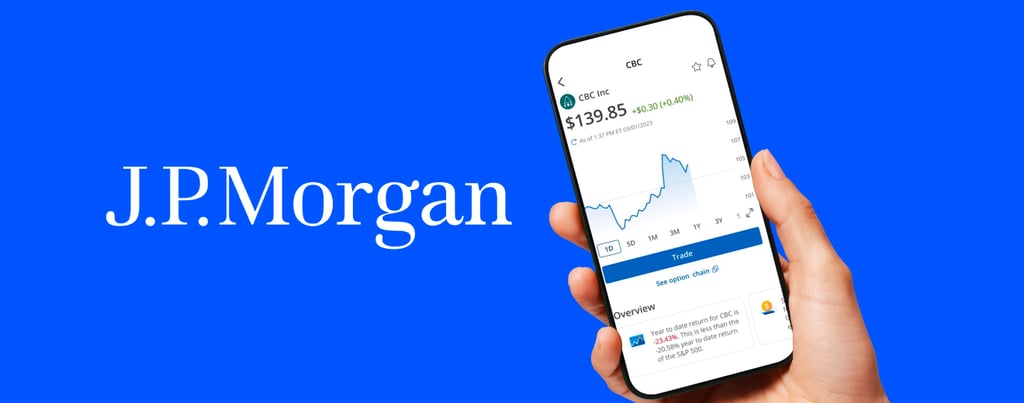
J.P. Morgan’s options trading features stand out for robust research capabilities, institutional-grade tools, and seamless integration with Chase banking. Investors can access advanced options chains and real-time market data within a trusted, secure ecosystem. These features make J.P. Morgan appealing to investors who want a full-service experience backed by a well-known financial institution.
4. Advisor – best for strategic trading

| Minimal investment | $0 |
| Options commissions | Varies |
| Best for | Building a strategy |
Why we picked it
Advisor (operated by ADVR, LLC) is primarily a network that connects users with registered investment advisers (RIAs). The site works more like a matching service, introducing site visitors to participating third-party RIAs. Advisor.com also provides investment and focused advisory services via its in-house “Advisor Wealth Management (AWM).”
5. Fidelity – best for long-term investors

| Minimal investment | Options follow contact pricing |
| Options commissions | $0* |
| Best for | Those seeking to make long-term investments |
*Per trade for online U.S. stock and ETF options, contact fees apply
Why we picked it
Fidelity is one of the most well-rounded brokerages for options trading, with competitive pricing, powerful tools, and top-tier research. The Active Trader Pro tool offers advanced options chains, strategy analysis, and access to extensive educational resources. The popular brand’s reputation for reliability, strong customer support, and regulatory trust may make it an attractive option for both new and experienced traders seeking a balance of service, cost, functionality, and regulatory trust.
*Per trade for online U.S. stock and ETF options, contact fees apply
5 financial advisory firms compared
Before diving into each tool, it’s helpful to compare pricing, features, and overall suitability. The table below provides a clear snapshot of the key differences between the top five brokerages for options trading in 2026, making it easier to find the platform that best suits your trading style and experience level.
| Platform | Fees (per contract) | Account minimum | Tools and research | Ease of use | Rating | Best for |
| SoFi Invest | $0 | $0 | Basic | Excellent | 4.8 | Beginners and casual traders |
| Robinhood | $0.00279 | $0 | Moderate (charts and builder) | Excellent | 4.5 | Cost-conscious traders |
| J.P. Morgan | $0.65 | $0 | Advanced (institutional-grade) | Good | 4.4 | Experienced investors, Chase users |
| Advisor | Varies | $0 | Advanced (multi-leg tools) | Intermediate | 4.2 | Strategy-focused active traders |
| Fidelity | $0.65 | $0 | Excellent (research and education) | Good | 3.8 | Long-term investors and active traders |
This side-by-side chart highlights how SoFi and Robinhood lead in affordability and ease, while Fidelity, J.P. Morgan, and Advisor excel in research depth, analytical power, and strategic flexibility.
Risks and benefits of options trading
Options trading presents unique opportunities, but it also entails a specific set of risks and rewards that traders should understand before commencing.
Risks
- High potential losses. If not appropriately managed, options trading can result in losses that exceed the initial investment.
- Complex strategies. Multi-leg strategies and advanced tactics are confusing for beginners, increasing the likelihood of mistakes.
- Time-sensitive. Options contracts expire, meaning poor timing can result in losing the premium.
- Volatility impact. Market volatility amplifies gains and losses, making outcomes unpredictable.
Benefits
- Leveraged gains. Options allow traders to control larger positions with less capital, potentially increasing their profits.
- Hedging capabilities. They can be used to protect portfolios against downside risk.
- Strategic flexibility. Take a wide range of approaches, from speculation to income generation.
- Variety of contracts. A selection of expirations and strike prices provides flexibility for varying strategies.
All investors are advised to conduct their own independent research into investment strategies before making an investment decision. Past investment performance is no guarantee of future results.
How to choose an online brokerage for options trading
Selecting the right online brokerage can really influence your overall trading experience. Here are the key factors to consider when evaluating platforms for options trading:
- Commission and fees. Find transparent and competitive pricing (refer to your options contract). Be cautious of “no-commission” claims. These costs are often built into spreads or regulatory pass-through fees, so understanding the whole fee structure is essential.
- Trading tools. Advanced tools, such as options chains, strategy builders, and detailed charting capabilities, are crucial for analyzing trades and managing positions effectively.
- Research and education. Quality educational content, tutorials, webinars, and educational resources help improve strategies, understand risk, and make better decisions (especially if you’re new to options).
- Platform usability. A well-designed and intuitive platform will reduce errors and help users act quickly in fast-moving markets. This includes mobile apps and desktop solutions using real-time data.
- Customer support. Immediate, responsive support can be critical during volatile markets or tech issues. 24/7 access is a significant advantage for active traders.
- Account minimums. Select a system with minimum requirements that align with your budget and experience level. Lower minimums are generally better for beginners who want to learn without huge upfront commitments.
Some platforms (particularly CFD brokers) don’t provide ownership of the underlying asset. If your goal is long-term investing, stick with regulated brokers that offer real asset ownership, rather than relying solely on derivatives.
How did we select the best brokerage for options trading
To compile this list, I worked tirelessly with a highly skilled research team to analyze and compare leading brokerage brands using a structured set of criteria. We evaluated each solution based on pricing and fees, the quality and depth of trading tools, platform usability, educational resources, and the responsiveness of customer support.
We also factored in the reputation, regulatory oversight, and user feedback to ensure our selections reflect real-world experiences. The goal was to identify brokerages that balance affordability with robust features, making them suitable for both beginner and experienced options traders who need reliable tools, transparent pricing, and strategic flexibility.
Bottom line
The best brokerage for options trading ultimately depends on your personal goals, experience level, and trading style.
If you’re a beginner, platforms like SoFi and Robinhood offer simple interfaces and low costs, making it easier to learn without high fees. More experienced traders may prefer Fidelity, J.P. Morgan, or Advisor for their advanced tools, deeper research capabilities, and strategic flexibility.
FAQ
What is the cheapest brokerage for options trading?
In 2026, SoFi offers $0 commissions and no contract fees for stock and ETF options, making it cost-effective for traders seeking to minimize expenses.
Can beginners trade options safely?
Yes, beginners can trade options safely by starting with easy, lower-risk strategies. This can include buying calls (or puts) or selling covered calls. Education is essential here, so platforms with strong learning tools, like SoFi’s Options 101 or Fidelity’s research library, are valuable. Beginners will want to avoid complex, multi-leg strategies until they fully understand the mechanics and risks.
Do I need a margin account for options trading?
Not always. Basic buying strategies (like calls and puts) usually only require a cash account. However, strategies involving the sale of options, spreads, or uncovered positions typically require margin approval and a higher options trading level. Each broker sets its own approval requirements in this case.
Which brokerage offers the best options trading tools?
Fidelity and J.P. Morgan offer the most advanced tools, including strategy builders, analytics, and research, providing institutional-grade data and integrations. In contrast, Robinhood and SoFi focus more on simplicity and affordability rather than advanced analytics. The best choice depends on your experience level and the strategy you need.